
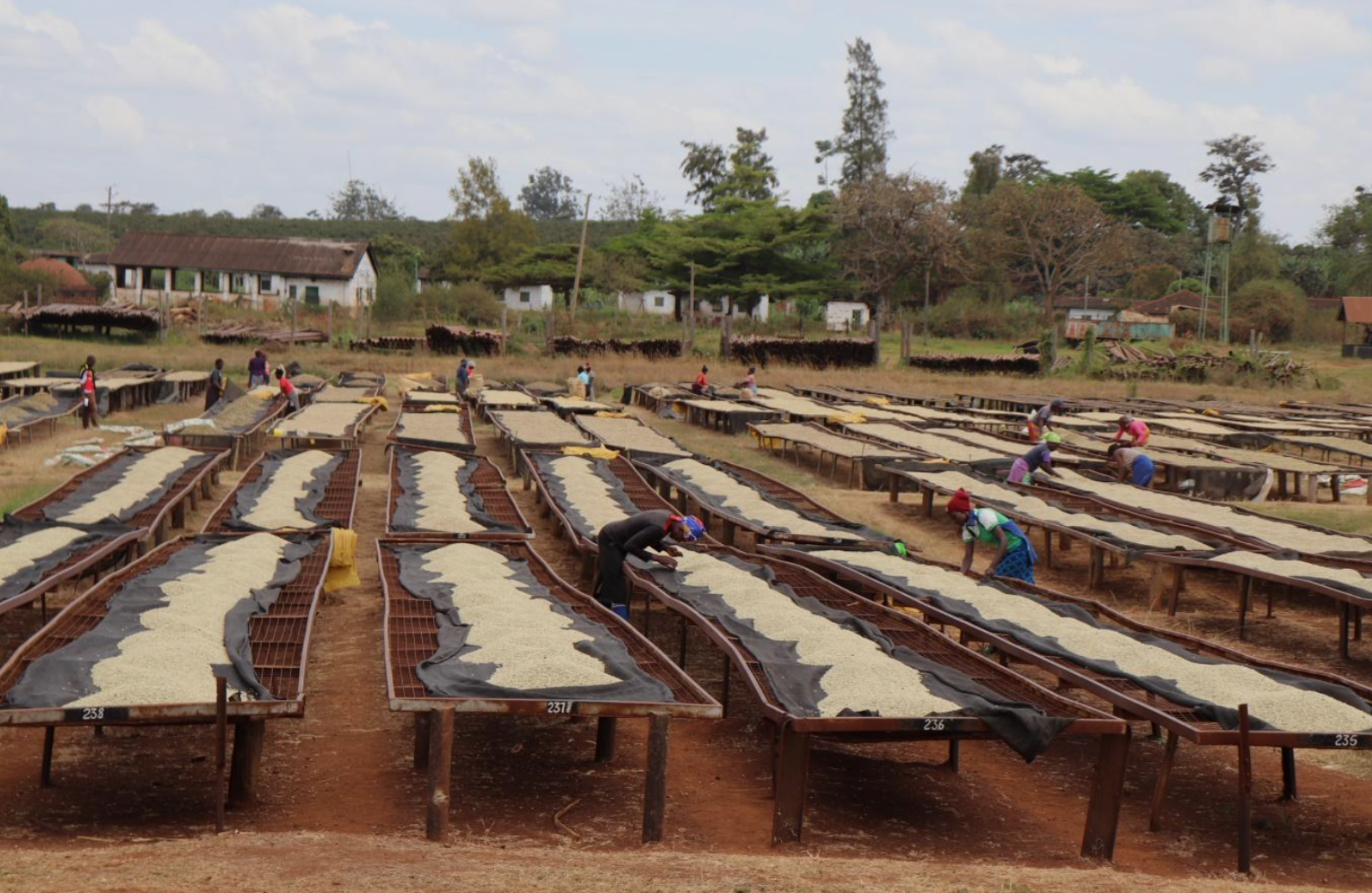
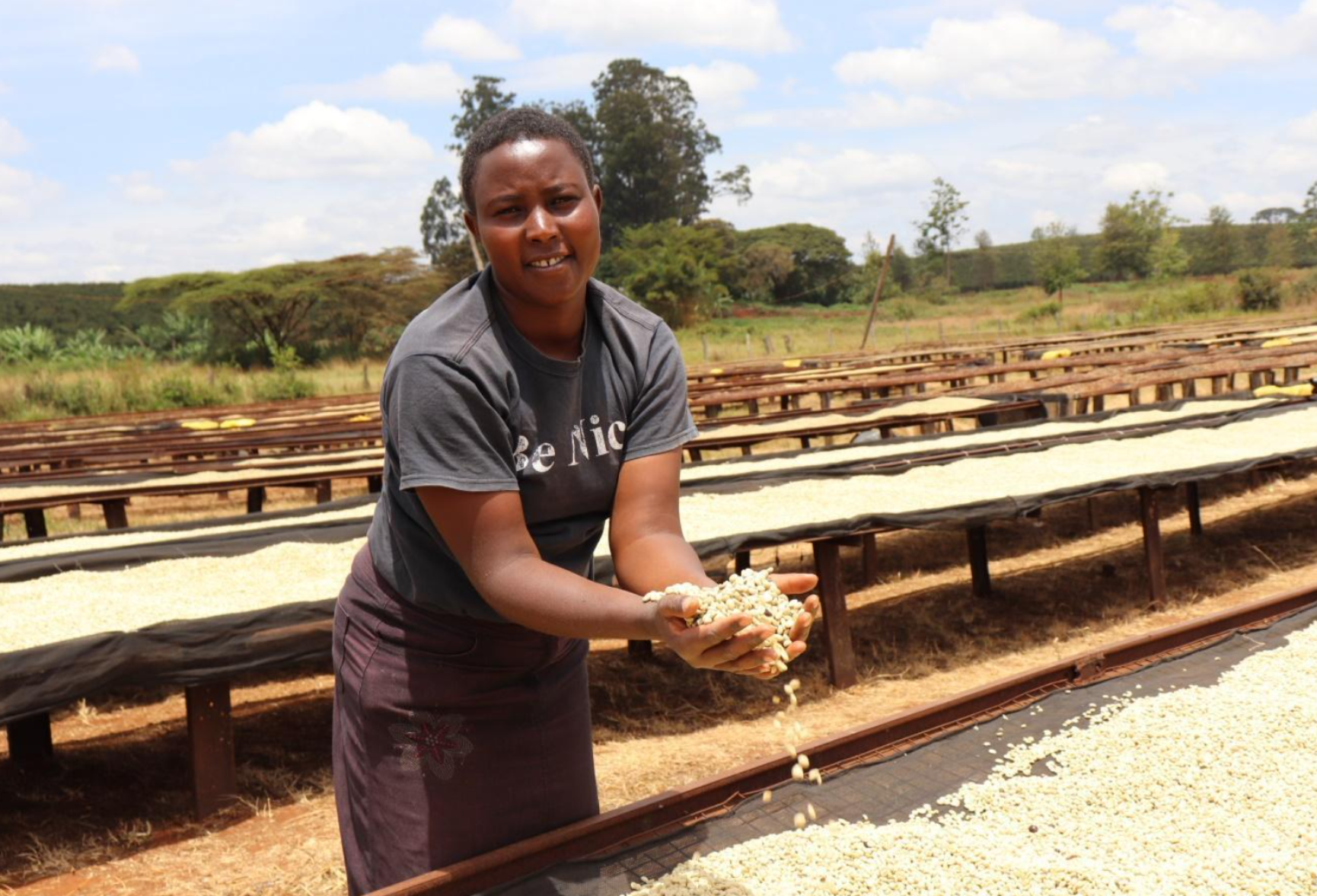
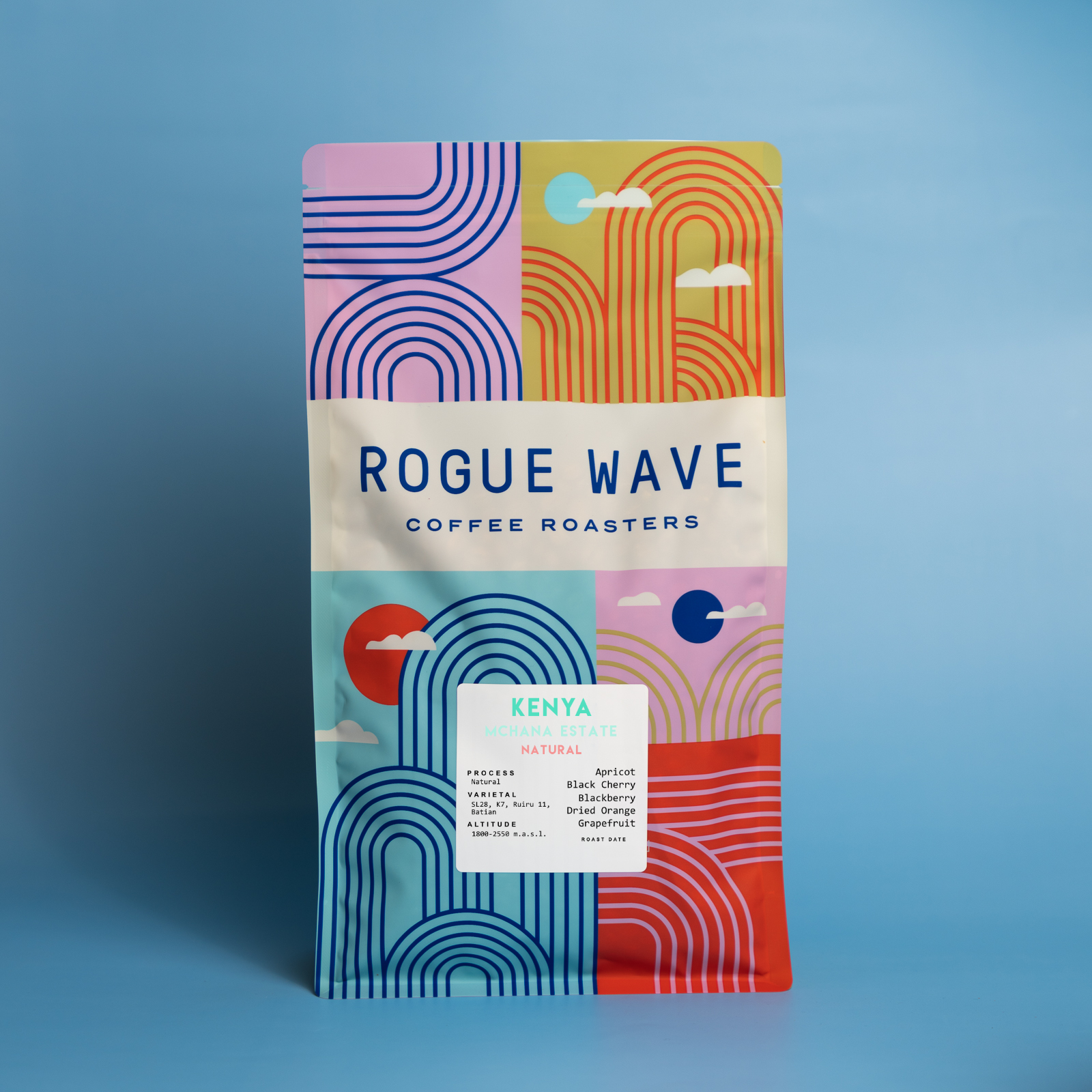
Mchana Estate, operated by Kofinaf Company Limited, sits 35 km north of Nairobi and 10 km west of Ruiru and spans 907 hectares. Of this area, 459.1 hectares are in bearing coffee, 377.9 hectares are mulch crop area, 17 hectares are forest, 23 hectares are dams and other water bodies and 30 hectares are allocated to infrastructure. The estate’s soils are deep red volcanic with notable loamy sandy fractions and it experiences two rainy seasons (March–May and October–December). Coffee at Mchana is grown as a perennial crop with two main harvesting seasons tied to the pruning cycle. It takes about nine months from flowering to ripe berries. The estate harvests only fully ripe red cherries to maintain quality and obtain prime export grades. Routine farm activities include pruning, fungicide spraying, weeding, irrigation, soil water conservation, application of inorganic fertilizers, soil amelioration and pest control. Irrigation supplements rainfall during dry periods. To reduce erosion, soak pits are dug across coffee blocks. Processing uses a wet method — pulping, fermenting and soaking — followed by sun drying on raised beds or tables until the coffee reaches the right moisture level for storage; beans are then placed in well-aerated conditioning bins before milling. The estate re-circulates water used in processing to save resources; when sun drying is not possible, fuel or electricity is used. High hygiene standards are maintained during cherry handling and processing. The workforce includes 172 permanent employees (tractor drivers, lorry drivers, watchmen, pump operators, mechanics and general workers) and seasonal casual workers that vary from 200 to 1200 per day depending on the season. The estate enforces health and safety measures, does not employ workers under 18, forbids sexual harassment, permits religious dress, and applies non-discriminatory labor allocation. On-site support includes a crèche, a day baby care unit with a trained teacher, nutritious meals for children, and access to Ngewe Primary School for employees’ children and the wider community. Workers are free to join labor unions and Savings and Credit Cooperative societies. An Occupational Health and Safety committee is active and workers receive education on HIV/AIDS and on educating their children through general meetings. Environmental steps include locating soak pits for waste water away from water sources, promoting tree planting, and directing processing water into lagoons to allow eutrophication before release to the river to reduce pollution. Posters around the estate discourage tree cutting, hunting, fishing and grazing to conserve local vegetation and wildlife. Management is led by a factory manager and a farm manager who handle tasks such as weighing, selection and grading of coffee, paying farmers and addressing farmers’ complaints. Recommendations: Resting time 2–3 weeks. Espresso: 1:2.4–2.6, 92°C, 25–28 s. Filter: 1:15.5–16.5, 90°C.
Coffee & Subscriptions
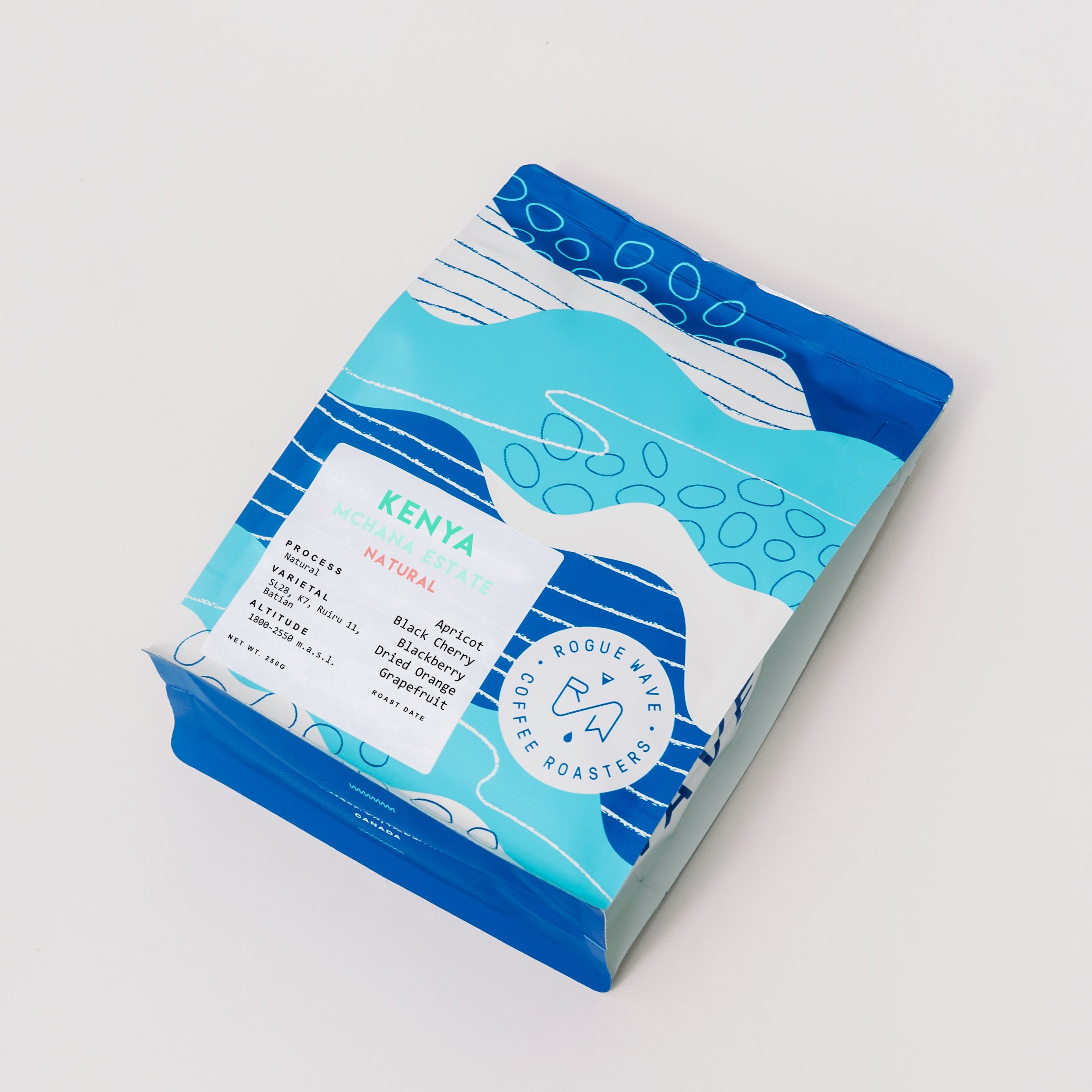
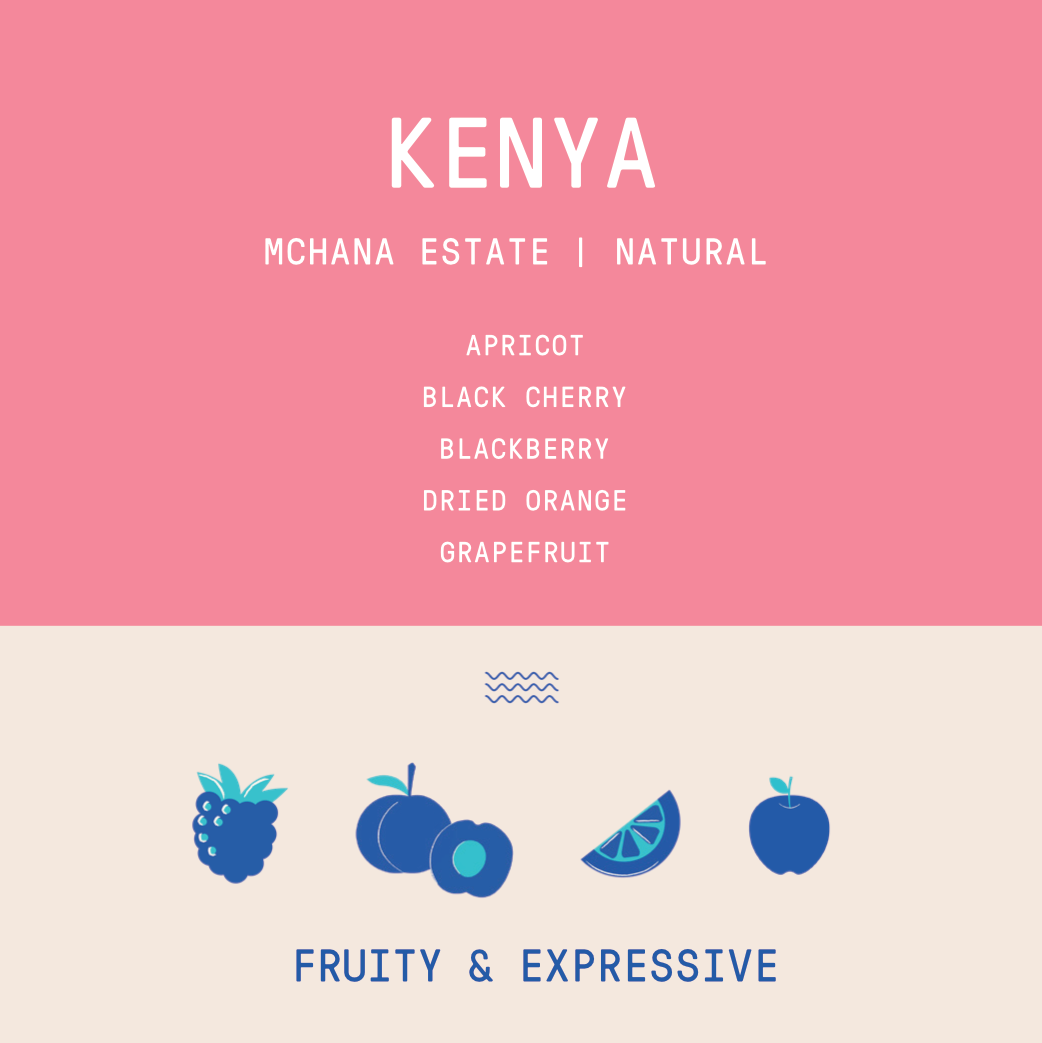
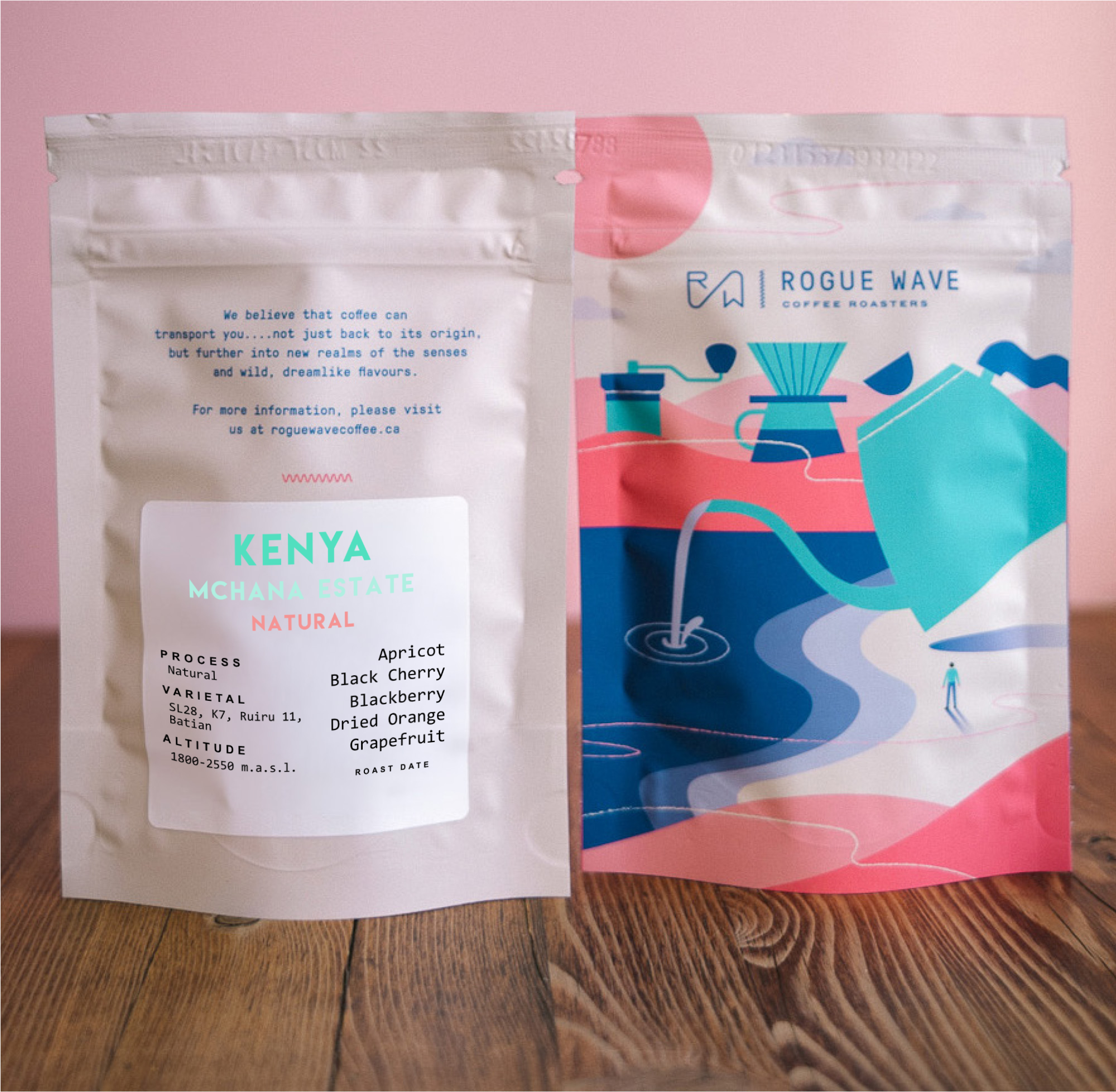
Kenya — Mchana Estate Natural Coffee (1 kg)
$37.00
Mchana Estate, operated by Kofinaf Company Limited, sits 35 km north of Nairobi and 10 km west of Ruiru and spans 907 hectares. Of this area, 459.1 hectares are in bearing coffee, 377.9 hectares are mulch crop area, 17 hectares are forest, 23 hectares are dams and other water bodies and 30 hectares are allocated to infrastructure. The estate’s soils are deep red volcanic with notable loamy sandy fractions and it experiences two rainy seasons (March–May and October–December). Coffee at Mchana is
✓ Shipping
✓ Secure Checkout
✓ Easy Returns
Related products
-
Coffee & Subscriptions
Big Holiday Grind – Iron Grey / 1 Bag / Matte Blue
$125.00 Add to cart Buy Now -
Coffee & Subscriptions
Alternative M*lk — Pacific Almond (946ml/32oz) Coffee
$3.00 Add to cart Buy Now -
Coffee & Subscriptions
Big Holiday Grind — Iron Grey | 2 Bags | Black ORIGAMI Pinot Aroma Mug
$132.00 Add to cart Buy Now



Reviews
There are no reviews yet.